Flashcards
Review the concept with the Leitner flashcards — what you know comes back less often.
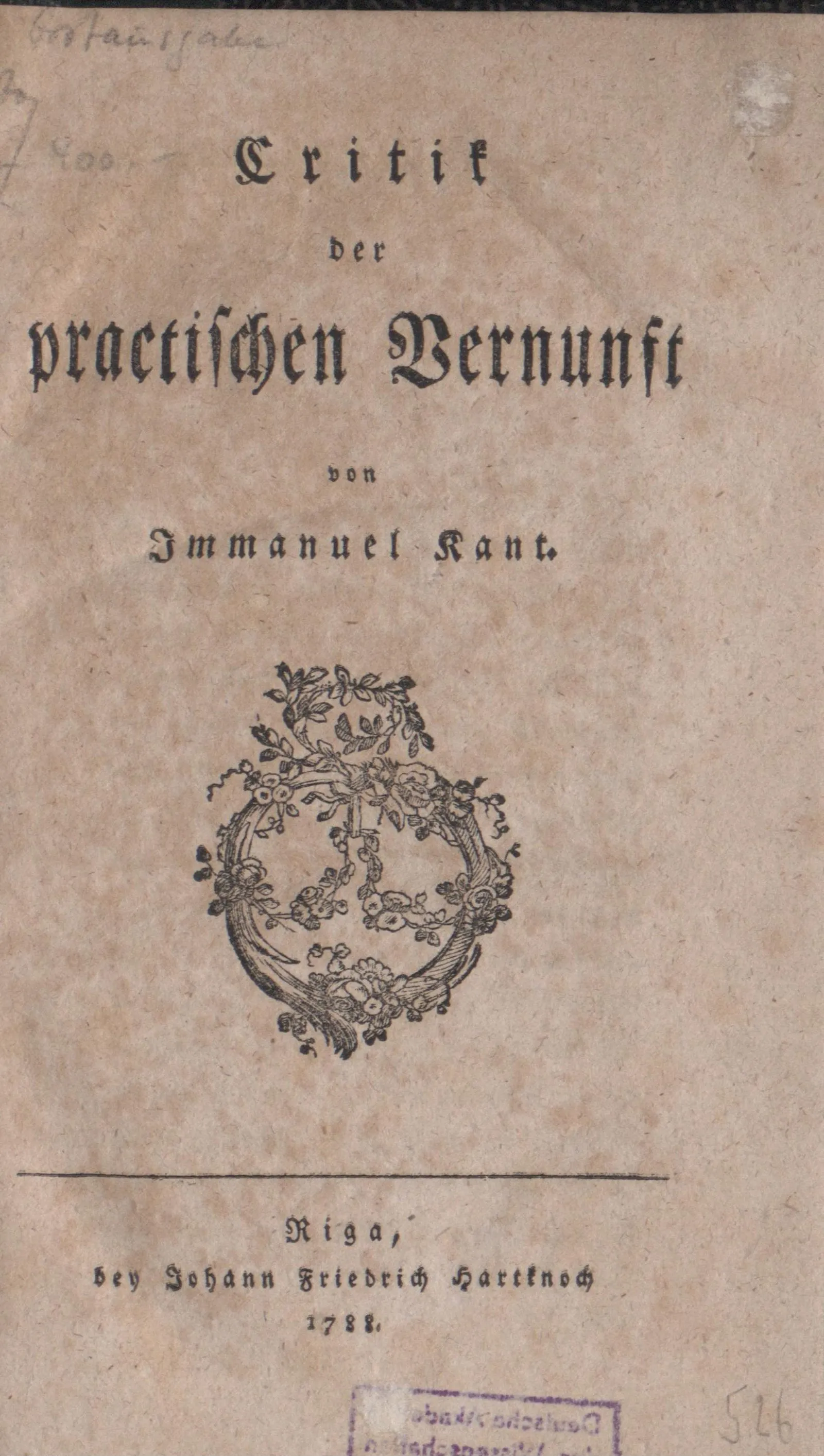
Freedom, the immortality of the soul and God: assumptions that practical reason demands, although theoretical knowledge of them is impossible.
Theoretical reason can neither prove nor refute freedom, immortality and God. Practical reason, however, must assume them: immortality and God so that the highest good — the union of virtue and happiness — does not remain an empty promise. Freedom holds a special place: it is the condition of the moral law itself, and its reality is shown, for “this idea reveals itself through the moral law”. God and immortality gain objective reality only by way of the concept of freedom — for practical purposes.
Postulates are therefore not knowledge but warranted assumptions of reason: objects of rational hope. In this way Kant makes good on what he had announced in the preface to the “Critique of Pure Reason”: “I had to deny knowledge in order to make room for faith.”