Maxim Tester
Take Kant's own examples step by step through the test of the categorical imperative.
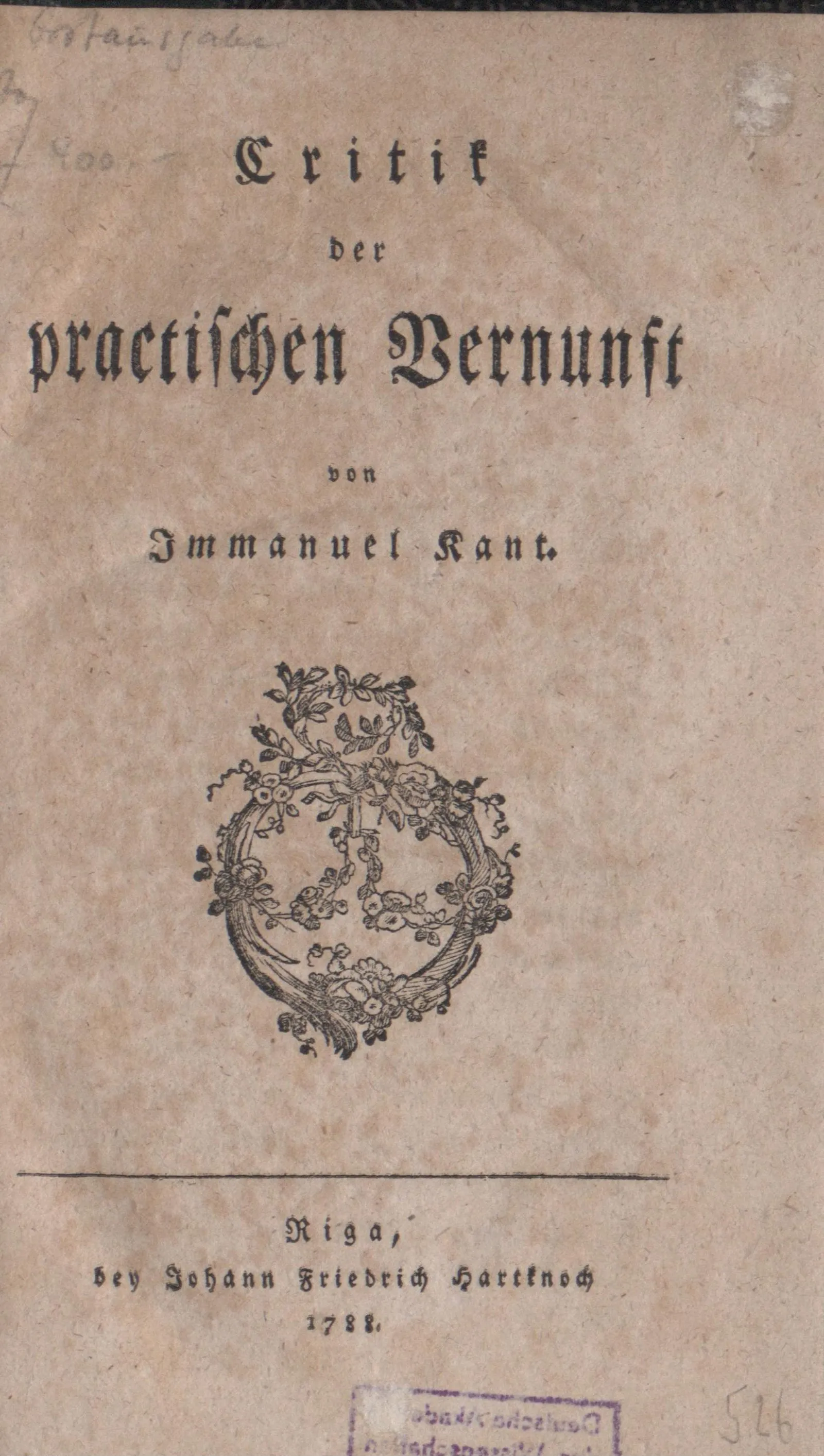
The fundamental law of pure practical reason: it commands acting only on maxims fit to serve as universal legislation.
In the “Critique of Practical Reason” Kant states the moral law thus: “So act that the maxim of your will could always hold at the same time as a principle of a universal legislation.” It determines the will through the form of maxims alone — independently of all empirical ends.
The law, Kant holds, cannot be derived from anything else: our consciousness of it is a “fact of reason” that forces itself on every rational being. In the famous conclusion of the Critique, Kant places it beside “the starry heavens above me” — as “the moral law within me”.
Source: Wikipedia: Moral law