Flashcards
Review the concept with the Leitner flashcards — what you know comes back less often.
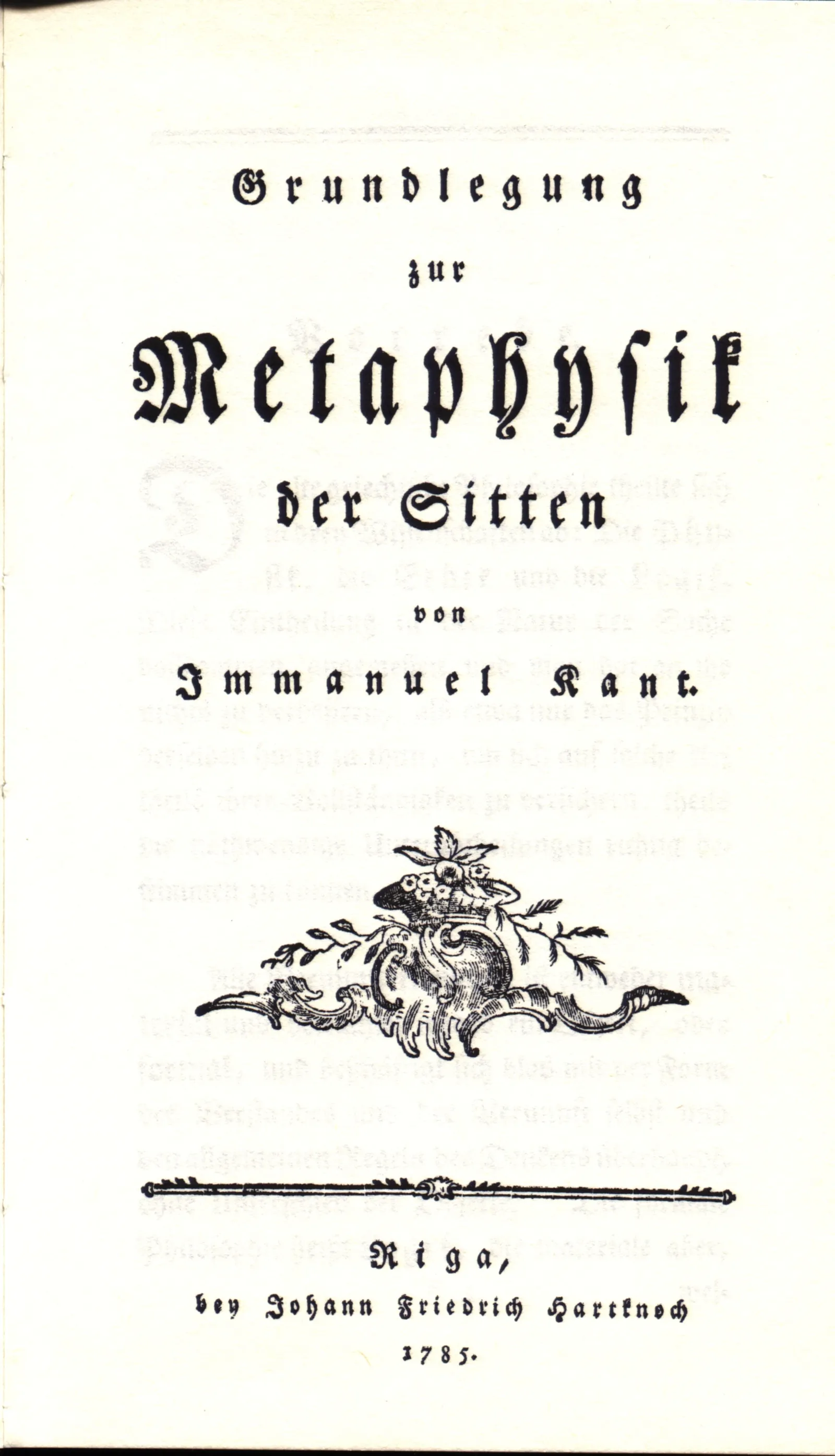
Self-legislation of the will: free is whoever gives the moral law to themselves — instead of being determined by inclinations or authorities.
Autonomy, for Kant, is “the ground of the dignity of human nature and of every rational nature”. Its opposite is heteronomy: a will determined from outside — by drives, utility, social pressure or divine command.
The idea shapes ethics, law and medicine (patient autonomy) to this day and grounds Kant's humanity formula: persons are ends in themselves and may never be used merely as means.
Source: Wikipedia: Autonomy