Critique
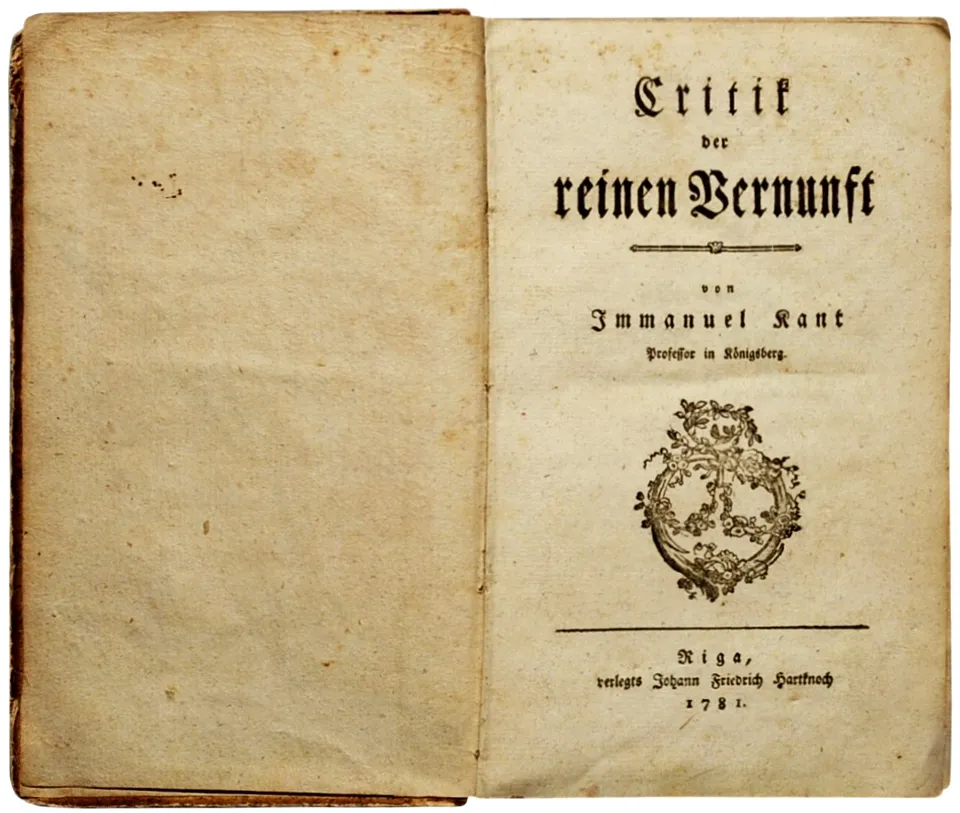
In Kant, critique does not mean fault-finding but examination: the inquiry into what a faculty can achieve and where its limits lie.
The word comes from the Greek krinein: to distinguish, to judge. Critique, in Kant, is the reflective examination of the validity and limits of a capacity — in the case of the “Critique of Pure Reason”, reason examines itself: it sets up a court of its own that secures its rightful claims and dismisses groundless pretensions.
Kant understands this examination as the preparation (“propaedeutic”) for a future scientific metaphysics. He calls his era the “age of criticism”, to which everything must submit — and three major works carry out the programme: the critiques of pure reason, of practical reason and of the power of judgment.
Where it appears
- Aesthetics
- Knowledge — Four ways of judging
- Timeline
- Anthropology from a Pragmatic Point of View — Impact & the debate today
- The Metaphysics of Morals — Legacy & relevance today
- Critique of Practical Reason
- Critique of Pure Reason — Genesis & context
- Critique of Judgment
- Being human — Why the three questions flow into the fourth
Source: Wikipedia: Critique